

Real-Time + Simulation Hybrid for Broadcast AR
Coastal Erosion Visualization
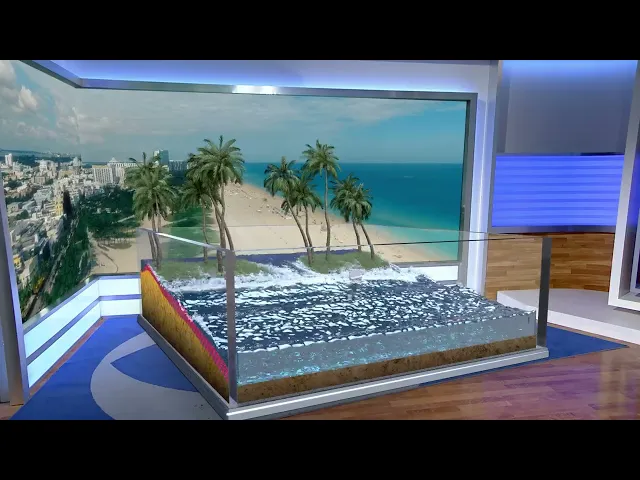
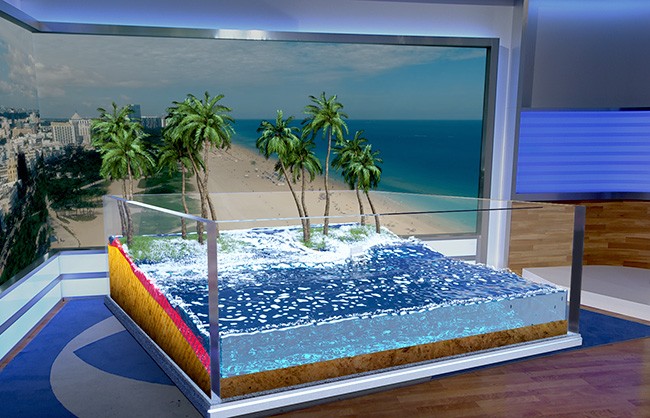
End-to-end development of a coastal erosion visualization combining simulation, 3D, and real-time integration. Originally designed for an AR environment, the project required adapting high-fidelity fluid simulations to platform constraints. By implementing a hybrid pipeline—blending real-time assets with pre-rendered sequences—the final result maintained visual realism while ensuring performance and clarity for the viewer.
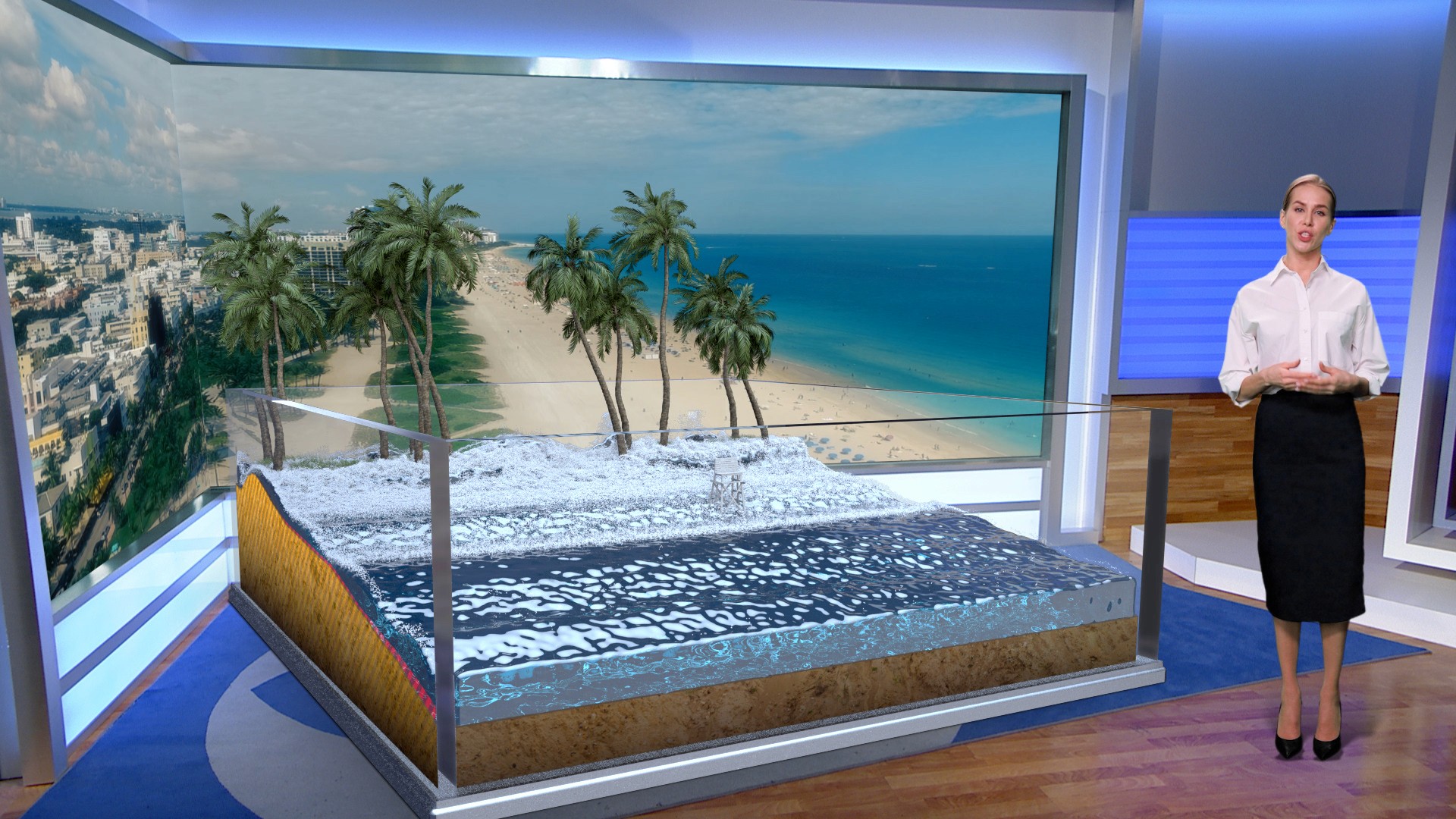
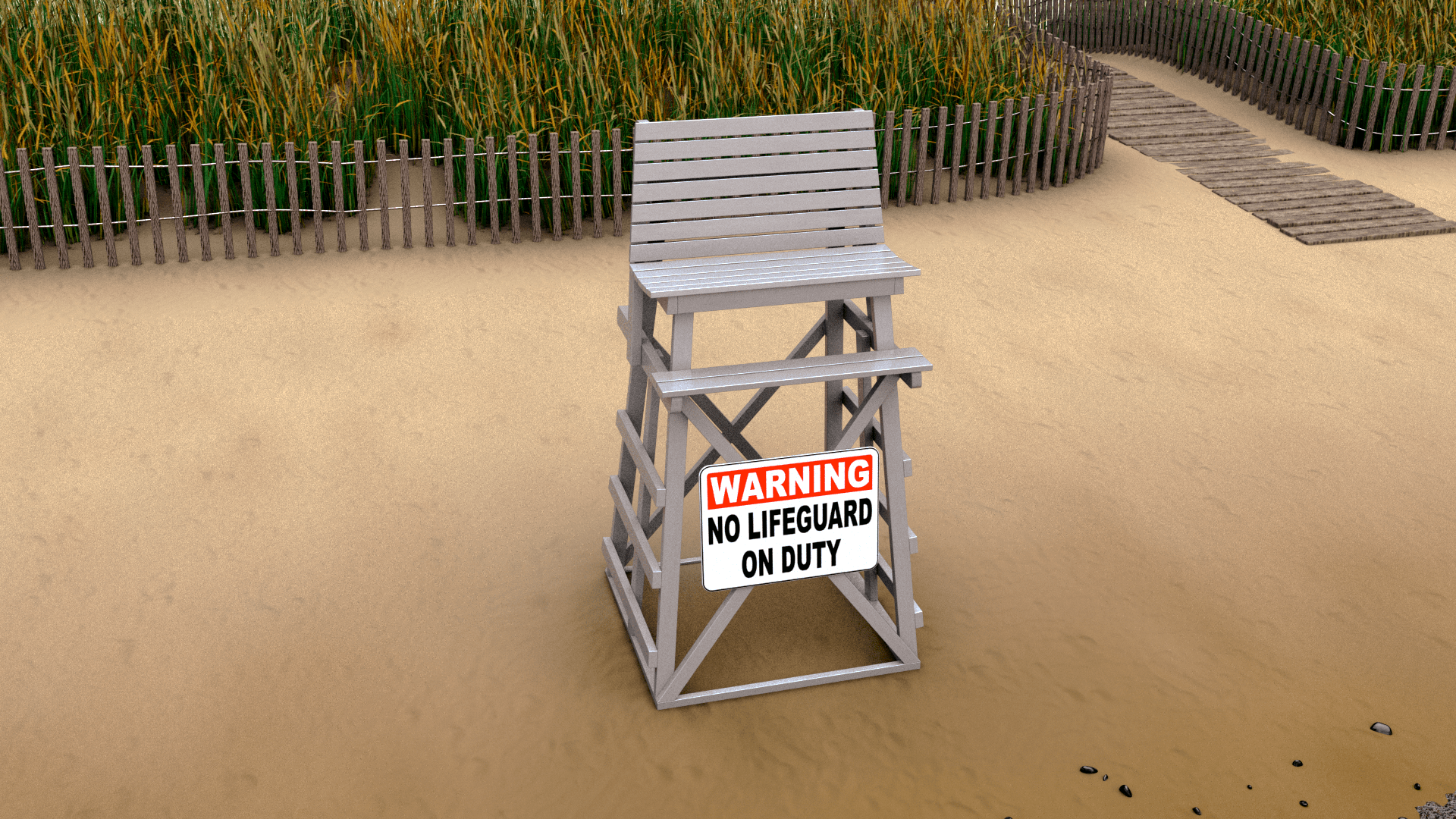
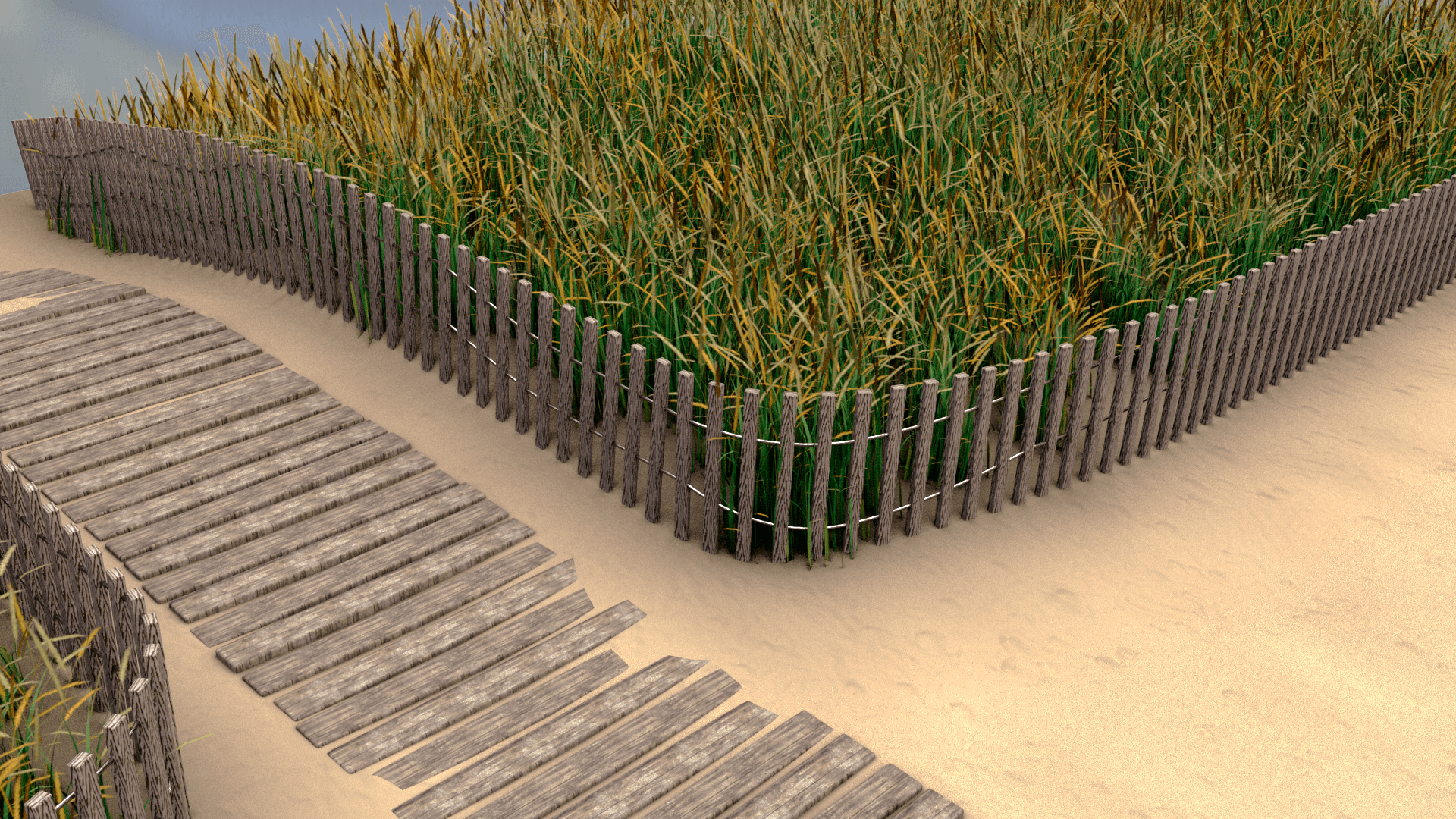
A customized 3D explainer developed for a CBS broadcast, with environmental adjustments—such as region-specific foliage—to better align with the local terrain and improve visual relevance for the audience.
High-detail fluid and erosion simulations were developed to recreate the natural interaction between water, terrain, and debris. The goal was to achieve physically believable motion while maintaining visual clarity at scale.
Particle systems and rigged terrain were developed to control how erosion interacts with the environment. A custom HUD overlay was introduced to highlight key areas of change, making the simulation more readable and reinforcing the underlying data driving the visuals.
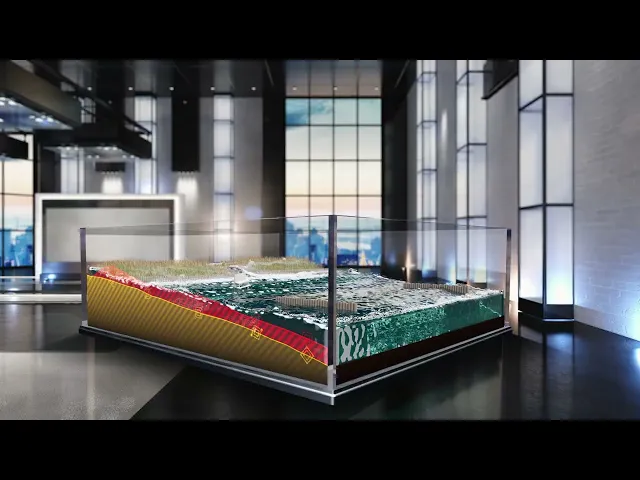
The project was integrated into the MAX AR environment and prepared for broadcast distribution across multiple stations. Real-time constraints within the platform required balancing performance with visual fidelity, ultimately leading to a hybrid approach that combined interactive 3D elements with pre-rendered simulation sequences.
Details | ||||
|---|---|---|---|---|
Client: | The Weather Company | |||
Date: | May 1st 2021 | |||
Website/Link: | ||||
A 3D explainer developed for weather broadcast to illustrate coastal erosion through a combination of simulation, motion, and real-time integration. Built in Cinema 4D, the project was adapted for use within an interactive AR environment, allowing stations to present erosion dynamics in a more engaging and flexible format. Terrain was generated using Loft NURBS and controlled through Xpresso, enabling dynamic adjustment of erosion levels. These inputs drove responsive fluid simulations using RealFlow and X-Particles, creating a cohesive interaction between water and terrain. The system was designed to be modular, allowing broadcasters to tailor the experience to different regions while maintaining a high level of visual fidelity. The final piece was deployed across multiple stations nationwide. | ||||